New friends, positive values, personal growth, great adventures and outrageous fun are the foundations of camp life at SNC. This combined with our HUGE variety of activities allows each camper to grow and explore every single day. We value each and every child. Considering our high level of commitment to helping each child's personal growth, SNC’s levels of care, honesty, respect, and responsibility can’t be beat. When it comes to selecting a summer camp, Swift is the best at providing a safe and enriching summer experience your child will always remember!
Activities
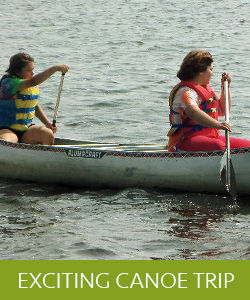
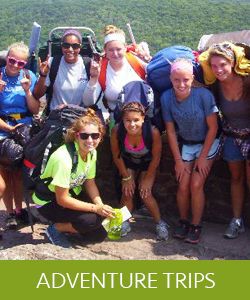
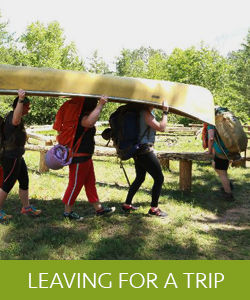
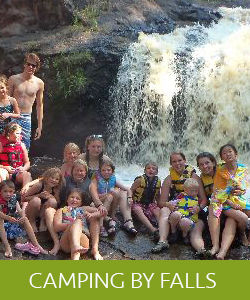
We provide many opportunities for your camper to succeed. No matter what skill level or interests your child has, Swift Nature Camp has activities that allow them to excel and enjoy. All activities are promoted in a nurturing, noncompetitive atmosphere, giving each camper the opportunity to participate and have fun, rather than worry about results. See our Activity Page to learn more.
      |
Trips Nature Center |
Our own Nature Center provides a dynamic setting for learning as campers find themselves doing science experiments, conducting environmental testing, learning about the local wildlife, or participating in our camp recycling program.
A unique pond aquarium, known as Kermit's House, gives kids a chance to see pond life from a frog's point of view, while our Nature's Neighbors live animal collection provides opportunities for up-close study and care of several common Northwoods residents as well as a few exotic immigrants.
|
Big Race Day For Fred The FrogCampers with their own small animals are encouraged to bring them to camp to share with others. The animals live in the Nature Center or Zoo, where all campers can enjoy and learn about them. This often will make your child an expert because they know all about their pet. |
Working in conjunction with the Wisconsin DNR and the U.S. Park Service, Swift Nature Camp has developed a hands-on environmental learning program which includes field trips, such as visits to a fish hatchery and state parks, hands-on field projects, like goose banding and butterfly counts and exciting camp presentations, ranging from visits with live owls to learning how professionals manage a forest fire. The kids don't just watch the excitement, they are in the middle of it. By working with the DNR on real projects, such as releasing fish into Wisconsin waterways or counting eagles' nests, children discover the fascinating world of nature while having fun. Each of the projects is explained in detail before the children begin, so they understand exactly what they are doing and why it is meaningful. "This is camp with a purpose," Jeff explains. "Besides all the fun and excitement of a traditional camp, the kids have the joy of discovering Nature and the world we live in. SNC is a camp with a purpose." Learn more on our Nature page.
|
Benefits of a Nature Camp by Richard Louv
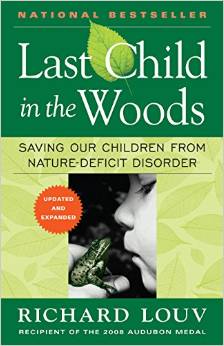 One reason kids aren't going outside as much is parental fear. News and entertainment media have conditioned us to believe that life outside the front door is far more dangerous than it actually is, at least from stranger-danger. Nonetheless, this fear is unlikely to go away, which is one of the reasons parents are likely to value camps even more in the future than they do today. Risk is always a part of life, but camps can offer parents the reassurance that their children will be safe as they receive the gifts of nature. The physical benefits are obvious; others are more subtle but no less important. For example, research shows that nature experiences significantly reduce children's stress. Free play in natural areas enhances children's cognitive flexibility, problem-solving ability, creativity, self-esteem, and self-discipline. Effects of Attention Deficit Disorder are reduced when children have regular access to the out-of-doors. Studies of outdoor-education programs geared toward troubled youth — especially those diagnosed with mental-health problems — show a clear therapeutic value. Children are simply happier and healthier when they have frequent and varied opportunities for experiences in the out-of-doors. One reason kids aren't going outside as much is parental fear. News and entertainment media have conditioned us to believe that life outside the front door is far more dangerous than it actually is, at least from stranger-danger. Nonetheless, this fear is unlikely to go away, which is one of the reasons parents are likely to value camps even more in the future than they do today. Risk is always a part of life, but camps can offer parents the reassurance that their children will be safe as they receive the gifts of nature. The physical benefits are obvious; others are more subtle but no less important. For example, research shows that nature experiences significantly reduce children's stress. Free play in natural areas enhances children's cognitive flexibility, problem-solving ability, creativity, self-esteem, and self-discipline. Effects of Attention Deficit Disorder are reduced when children have regular access to the out-of-doors. Studies of outdoor-education programs geared toward troubled youth — especially those diagnosed with mental-health problems — show a clear therapeutic value. Children are simply happier and healthier when they have frequent and varied opportunities for experiences in the out-of-doors.Nature-oriented camps also help care for the health of the earth; many studies show that nature play in childhood is the chief determining factor in the environmental consciousness of adults. Clearly there's more to camp than s'mores.
Richard Louv is the author of Last Child in the Woods and The Nature Principle . He is the chairman of Children & Nature Network an organization making positive strides in promoting the relationships between children and nature. |